Electro-Mechanical Team Chief
Minot AFB, North Dakota · 2016 to 2019
Supervised more than 40 technicians who maintained the electronic, security, and command and control systems at 150 launch facilities and 15 launch control centers.
Full-stack online game developer
I design and build whole online games: the architecture, the client people play, the servers behind it, the database, and the hosting. I've been doing it for nine years, seven of them as co-founder and CTO of an online game studio.
I came to software from the U.S. Air Force, where I worked on nuclear missiles. Today I build with AI coding agents, and I take production apps from the first idea to launch.
Co-founder and CTO · 2019 to 2026
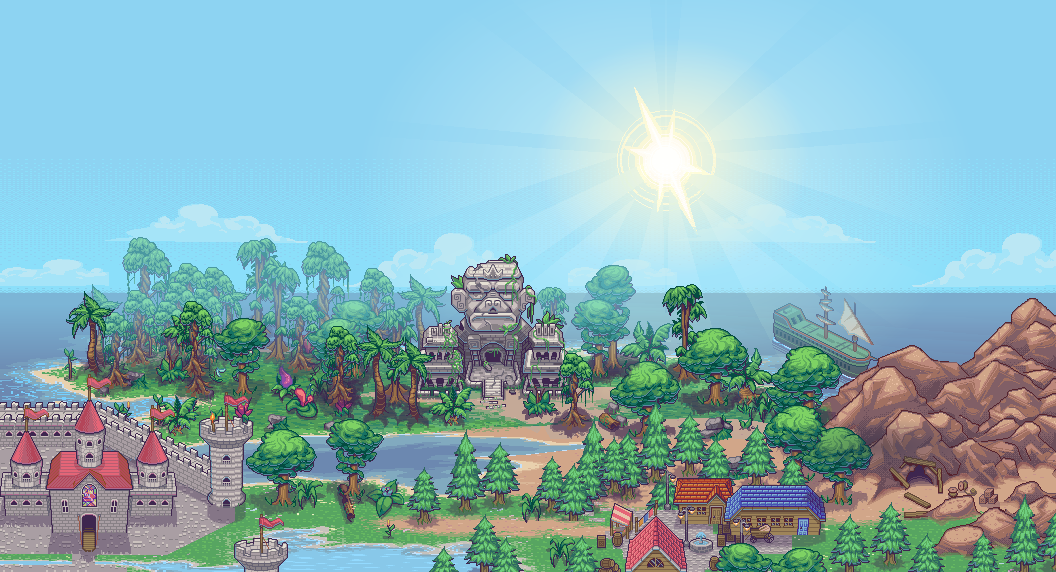
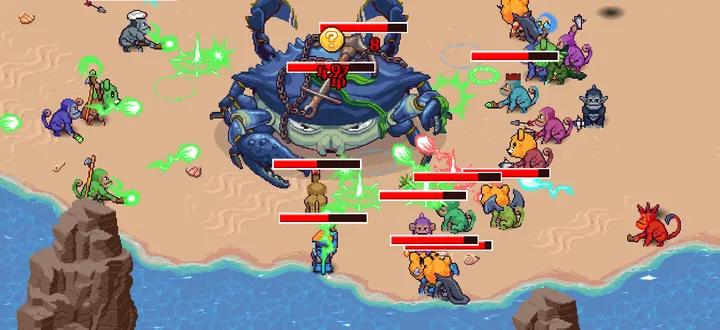
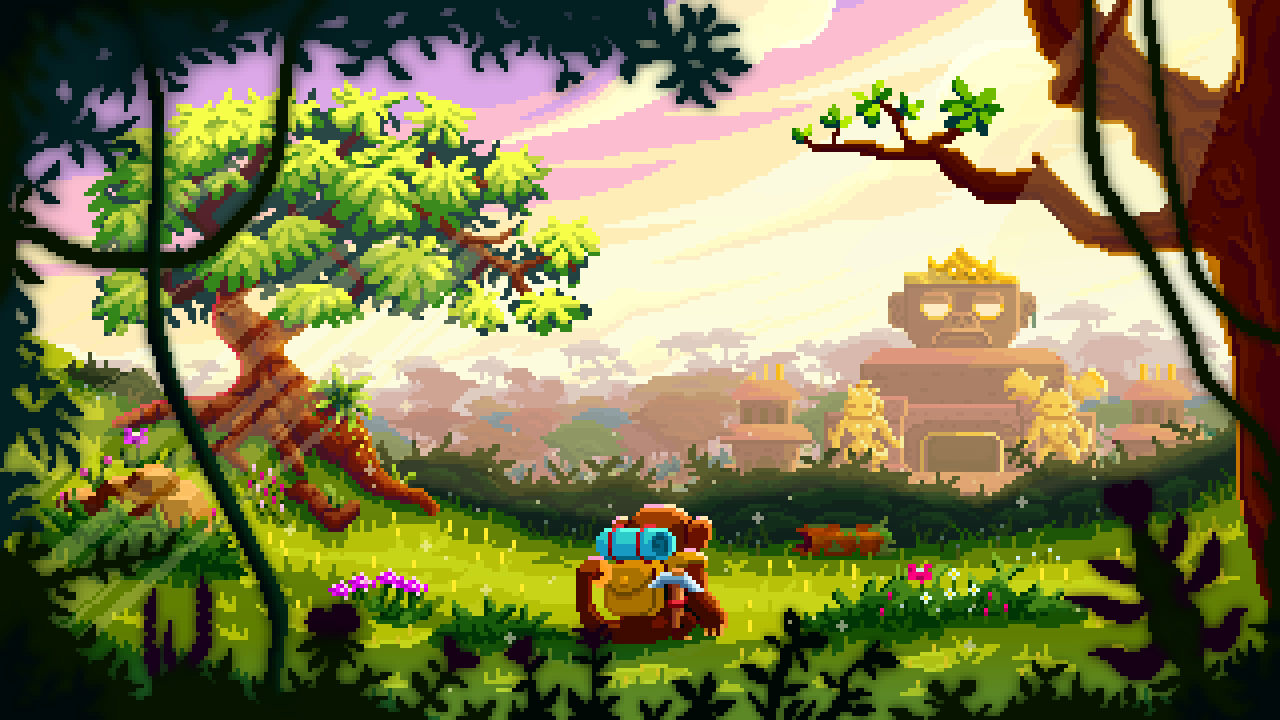
A free-to-play pixel-art MMORPG. Players explore, fight bosses together, farm, craft, and trade. The characters and items are tokens on Ethereum, so what players earn belongs to them. The game brought in more than $3.2 million.
I built it full stack. I started as the only developer and wrote the first version of everything: the game, the servers, the smart contracts, the database, and the hosting. As it grew I led a team of engineers, and I stayed in the code the whole time.
Built with: Java, Unity and C#, Solidity and Hardhat, PostgreSQL, Firestore, Docker, DigitalOcean, Google Cloud.
Clips of the game being played.


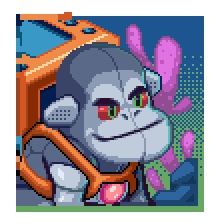
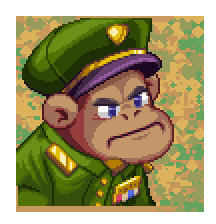
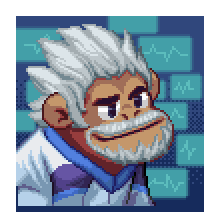
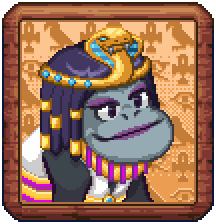
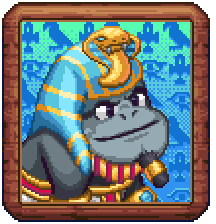


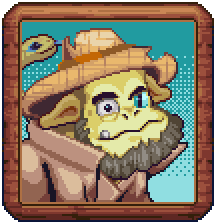
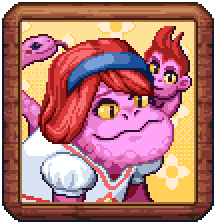

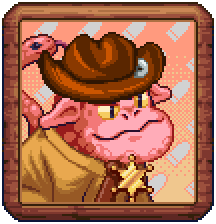

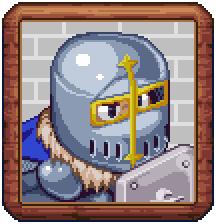
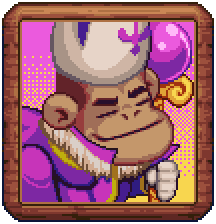
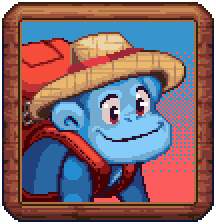

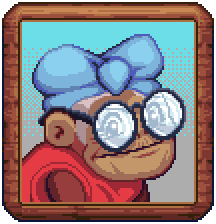

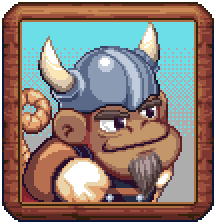
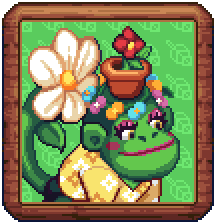
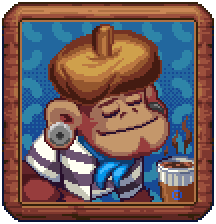
Pixel art by the game's art team. Select one to see it full size.

2025 to now · dungeonsmithy.com
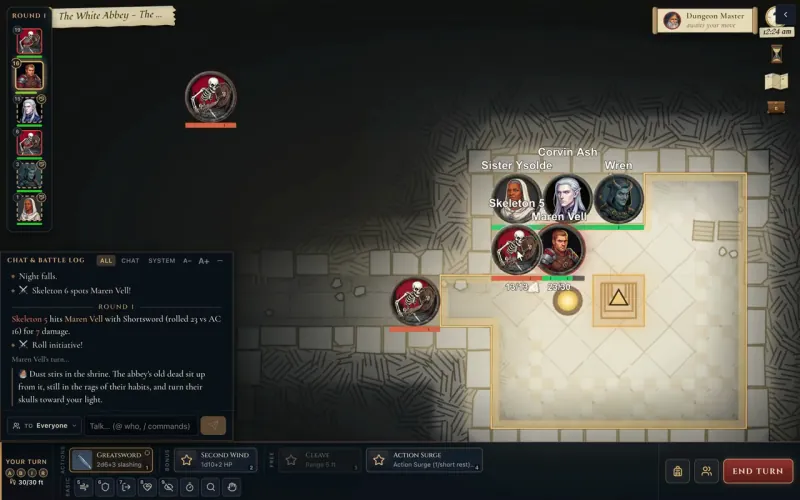
A virtual tabletop for D&D 5th edition that runs in the browser. You open a room, send your friends the link, and play. The game rolls the dice, tracks conditions, and applies the rules for you.
Built with: React, TypeScript, and Konva in the browser. Node.js services for the game server, room routing, sign-in, and rooms. PostgreSQL, Redis, and Kubernetes.
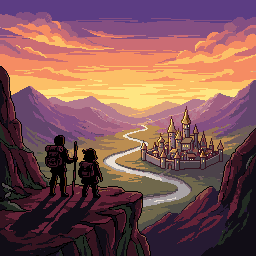
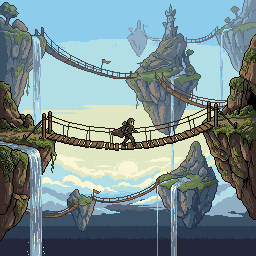
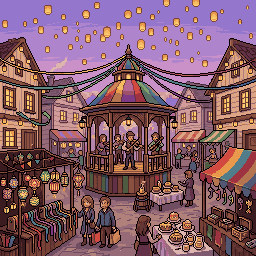
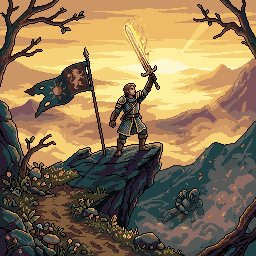
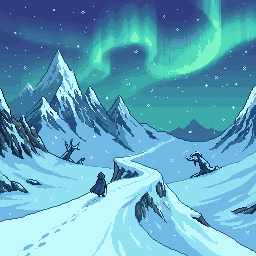
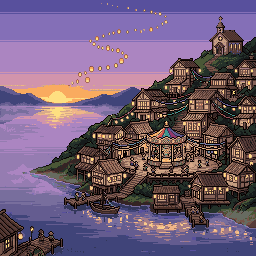
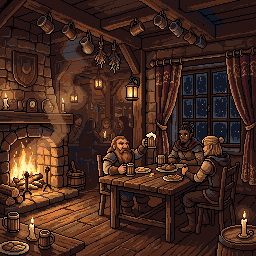
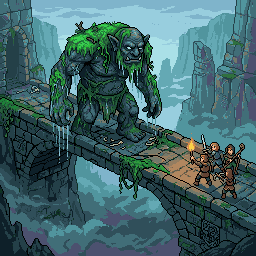
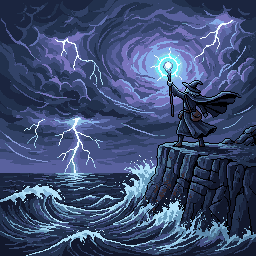
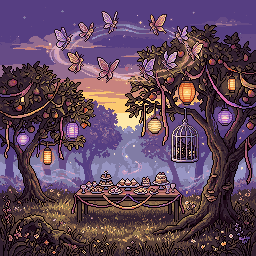
Scene cards from the game. Players see one when they arrive somewhere new.
Select one to see it full size.
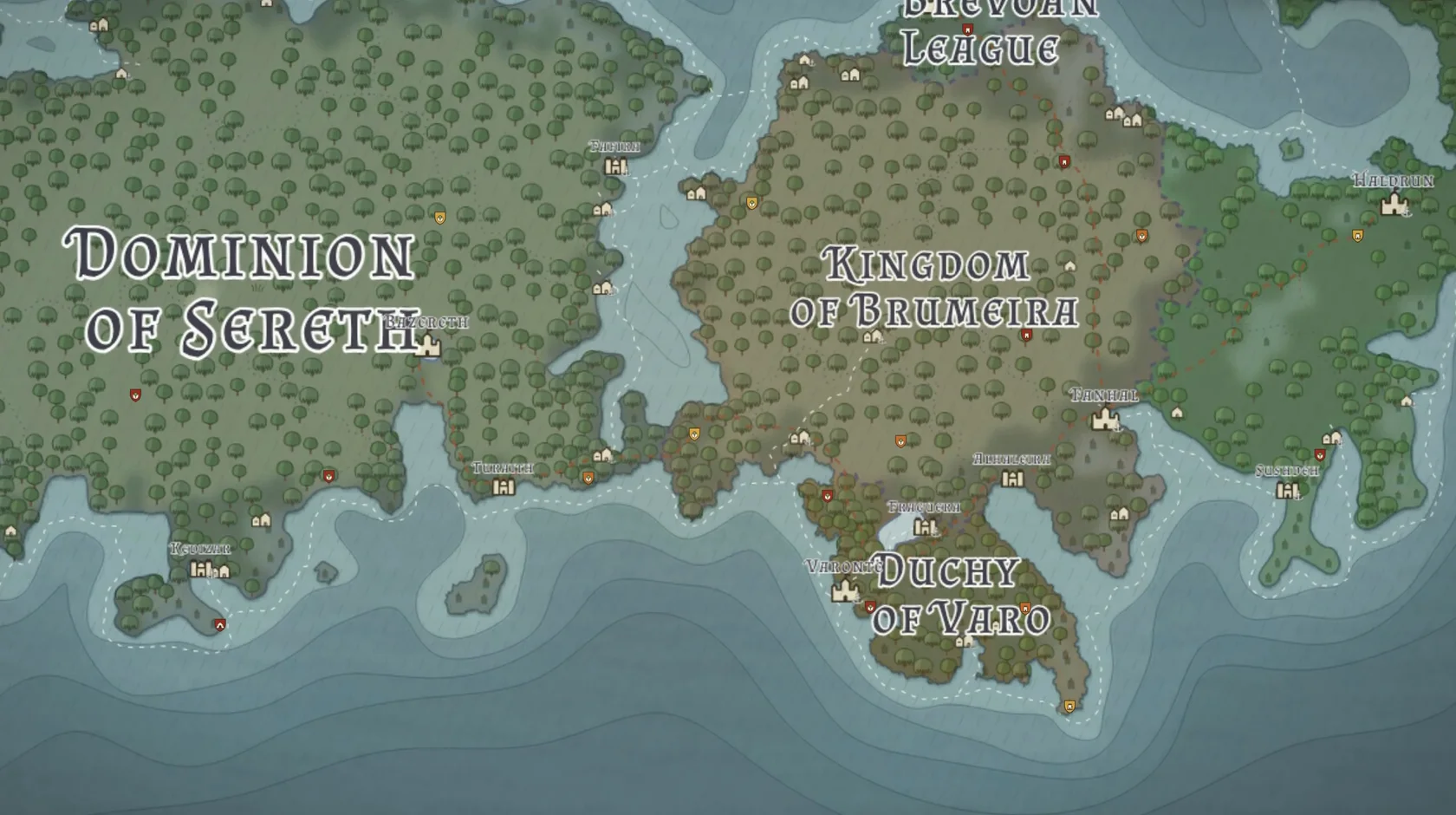
Every map here is generated from a seed.
Four of the worlds a campaign can start in.
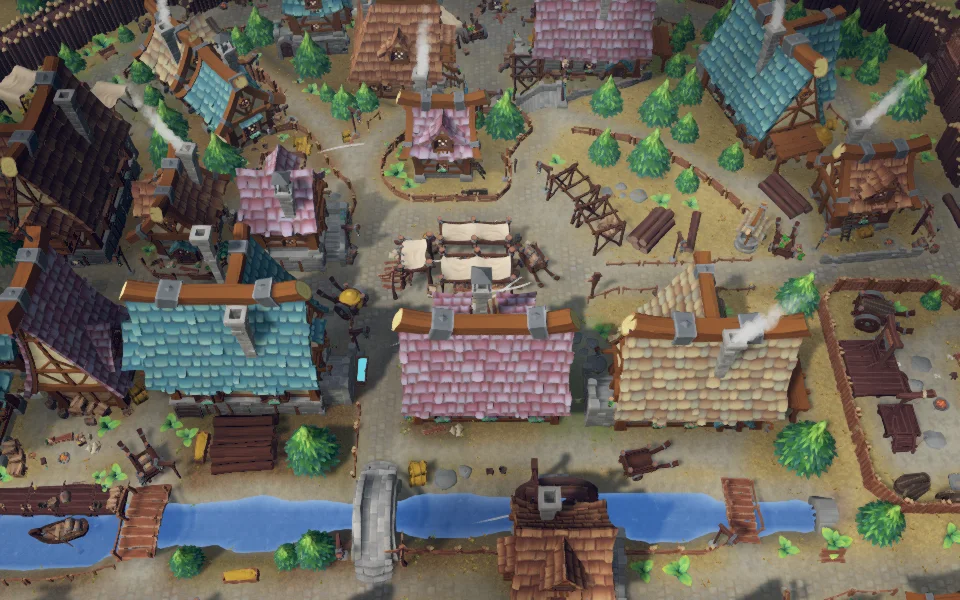
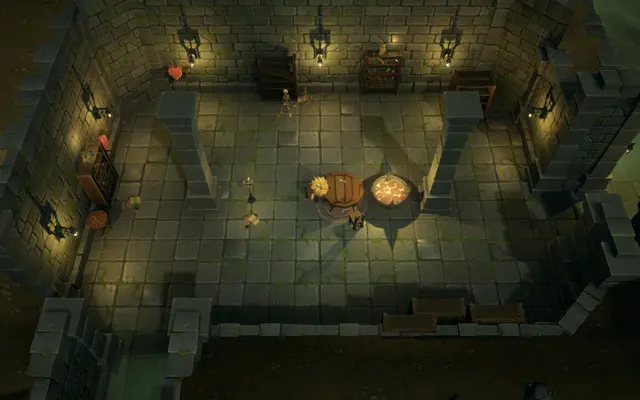
An isometric dungeon MMO in Unity. The client and the C# server share one library, so a dungeon generated on the server is exactly the one the client draws.
The 3D models come from asset packs. The generation, lighting, and tools are my code.
Over the last couple of years I've moved to building with AI coding agents, and it has changed how much I can get done. I plan the architecture, split the work into tasks, hand those to agents, review what comes back, and test the result by playing it.
The job is close to the one I already had. At the game studio I co-founded, I led a team of engineers. In the Air Force I led maintenance crews. In both, my part was to set the direction, check the work, and answer for what shipped. Agents write code quickly, but someone still has to know what the finished system should look like and notice when something is wrong.
For more than six years I worked on the Minuteman III, the nuclear missile that makes up the land-based part of the U.S. deterrent.
The work takes long technical training and a security clearance, and it has to be done right every time. I held a Secret clearance throughout, graduated from Airman Leadership School, and left with an honorable discharge.
Minot AFB, North Dakota · 2016 to 2019
Supervised more than 40 technicians who maintained the electronic, security, and command and control systems at 150 launch facilities and 15 launch control centers.
Vandenberg SFB, California · 2019 to 2022
Led the teams that prepared missiles and silos for live test launches. Every launch I was assigned went as planned. I also wrote troubleshooting procedures that the unit adopted.
Vandenberg SFB, California · 2022 to 2023
Ran the schedule for test launch operations and met every mission date.
I co-founded a game studio in 2019 while I was still on active duty, and moved into software full time when I left the service in 2023.